Understanding AI Search Optimization
In the dynamic world of digital marketing, understanding AI search optimization is vital for maintaining a competitive edge. AI search optimization refers to the strategies and practices used to enhance a website’s visibility and ranking in search results powered by artificial intelligence. As AI continues to evolve, it changes how search engines interpret, rank, and display content. This evolution demands that we adapt our optimization strategies to meet these new criteria.
AI search engines, like those integrated into Google, Bing, and other platforms, use advanced algorithms and machine learning to deliver results that are more contextually relevant and user-centric. They assess user behavior, preferences, and intent to provide personalized search results. Thus, optimizing your website for AI search involves understanding these algorithms and aligning your content strategy accordingly.
As we delve deeper into AI search optimization, it becomes clear that traditional SEO practices are not entirely obsolete but need significant adjustments. Incorporating AI-focused strategies can help ensure your website remains visible and accessible to your target audience in this rapidly changing digital landscape.

How to Optimize Your Website for AI Search Results
Optimizing your website for AI search results in 2026 requires a shift from traditional keyword-focused SEO to Generative Engine Optimization (GEO) and LLM Optimization (LLMO). The goal is no longer just ranking #1 on a blue link, but ensuring your content is selected as the primary source for AI-generated answers in platforms like Google AI Overviews, ChatGPT Search, and Perplexity.
Here is a comprehensive guide to optimizing for AI search in 2026:
1. Ensure AI Crawler Accessibility
Before optimization, you must allow AI bots to access your content.
- Update
robots.txt: Explicitly allow trusted AI crawlers such asGPTBot,CCBot, andGoogle-Extendedin your robots.txt file [[10]]. - Audit Permissions: Regularly audit your crawl permissions quarterly to confirm that AI systems can access your best content without restriction [[10]].
- Create an
llms.txt: Consider implementing anllms.txtfile, a emerging standard that provides a structured summary of your site specifically for Large Language Models to ingest efficiently [[56]].
2. Adopt an “Answer-First” Content Structure
AI models prioritize content that directly answers user queries with clarity and brevity.
- Front-Load Answers: Place the direct answer to the user’s question in the first paragraph or immediately after the heading [[9]].
- Use Question-Based Headings: Structure your H2 and H3 headers as questions (e.g., “How do I optimize for AI search?”) to match conversational query patterns [[41]].
- Concise Definitions: Provide clear, sentence-case definitions and summaries that an AI can easily extract and quote as a snippet [[15]].
3. Enhance Entity Density and Authority
AI models rely on “entities” (people, places, things, concepts) rather than just keywords to understand context.
- Build Topical Authority: Create deeply nested, specific content clusters around core topics to demonstrate expertise to AI algorithms [[1]].
- Increase Entity Recognition: Use clear, unambiguous language that links your brand to specific industry entities, helping AI recognize your site as an authoritative source [[5]].
- Cite Statistics and Data: Include specific, original statistics and data points in your content, as AI engines frequently cite quantitative evidence in their responses [[2]].
4. Leverage Structured Data and Schema
Help AI parsers understand the relationships between data points on your page.
- Implement Schema Markup: Use extensive Schema.org markup (especially
FAQPage,Article, andProduct) to explicitly tell AI what your content represents [[7]]. - Optimize for Lists and Tables: AI models love structured data; present comparisons, steps, and data in bullet points, numbered lists, and tables, as these are easily extracted for AI overviews [[7]].
5. Optimize for Specific AI Platforms
Different AI engines have slightly different ranking signals.
- For Google AI Overviews: Focus on high-quality, trustworthy content that aligns with Google’s E-E-A-T (Experience, Expertise, Authoritativeness, Trustworthiness) guidelines, as these are heavily weighted for citation [[21]].
- For Perplexity AI: Prioritize “high-performance topics” and ensure your content is highly engaging and up-to-date, as Perplexity favors fresh, authoritative sources for its real-time answers [[31]].
- For ChatGPT Search: Focus on “quotable” statistics and an “answer-first” structure, as GPT-5 based models look for concise, definitive statements to summarize [[45]].
6. Monitor AI Visibility and Citations
Traditional rank tracking is insufficient; you must track “Share of Voice” in AI answers.
- Track Citations: Monitor how often your brand or URL is cited within AI-generated responses rather than just click-through rates [[6]].
- Analyze Conversational Queries: Track long-tail, natural language queries that users are asking voice assistants and chatbots, and create content specifically targeting these phrases [[8]].
- Test on Platforms: Regularly test your key topics on major AI platforms (ChatGPT, Perplexity, Gemini) to see if your content is being referenced and adjust your strategy accordingly [[2]].
Summary Checklist for 2026
| Strategy | Action Item |
|---|---|
| Technical | Allow GPTBot/Google-Extended; Add llms.txt [[10]][[56]]. |
| Content | Use “Answer-First” structure; Write in Q&A format [[9]][[41]]. |
| Data | Add original stats; Use Schema markup for lists/tables [[2]][[7]]. |
| Authority | Build topical depth; Focus on E-E-A-T signals [[1]][[21]]. |
| Measurement | Track AI citations and Share of Voice, not just rankings [[6]]. |
By shifting your focus to clarity, structure, and authority, you increase the likelihood that AI models will select your content as the definitive source for user answers.
How Does AI Search Optimization Work?
To understand how AI search optimization works, we must first consider how AI technologies interpret and analyze data. Unlike traditional search engines that rely heavily on keywords, AI-driven search engines use natural language processing (NLP) and machine learning to comprehend the nuances of human language. This allows them to deliver search results that more accurately reflect user intent and context.
AI search engines assess various factors, including user location, search history, and behavior patterns, to predict what users are likely to find most relevant. They prioritize content that is not only rich in keywords but also provides valuable information and a seamless user experience. This means we must focus on creating high-quality, informative content that meets users’ needs effectively.
Moreover, AI search optimization involves utilizing structured data and semantic markup to help search engines understand the content’s context. By doing so, we can improve the chances of our website appearing in enhanced search features, such as rich snippets and voice search results, further boosting our visibility and engagement.
Key Differences Between Traditional SEO and AI Search Optimization
As we explore the key differences between traditional SEO and AI search optimization, it becomes evident that the latter requires a shift in focus from purely technical aspects to a more holistic approach. Traditional SEO primarily revolves around keyword density, backlinks, and meta tags, whereas AI search optimization emphasizes user intent, content quality, and semantic relevance.
One significant difference lies in the understanding and application of user intent. While traditional SEO often targets specific keywords, AI search optimization seeks to understand the broader context of what users are searching for. This requires a deeper analysis of user behavior and preferences to tailor content that resonates with their specific needs and expectations.
Additionally, AI search optimization leverages advanced technologies such as machine learning and NLP to analyze and predict search patterns. This allows us to create dynamic content that adapts to changing algorithms and user trends. By embracing these advanced techniques, we can ensure our content remains relevant and impactful in the ever-evolving digital landscape.
Importance of User Intent in AI Search Results
Understanding user intent is crucial when it comes to optimizing for AI search results. User intent refers to the underlying purpose or goal that a user has in mind when conducting a search. Unlike traditional SEO, which often focuses on matching keywords, AI search optimization prioritizes understanding and fulfilling user intent.
By analyzing user behavior, search engines powered by AI can deliver results that are more aligned with what users are genuinely seeking. This means we must focus on creating content that not only answers users’ queries but also anticipates their needs. By doing so, we can improve user satisfaction and increase the likelihood of our website appearing in prominent search positions.
To effectively optimize for user intent, we should conduct thorough research to identify the common questions and problems our target audience faces. Creating content that addresses these issues comprehensively and in a user-friendly manner can significantly enhance our chances of ranking highly in AI-driven search results.
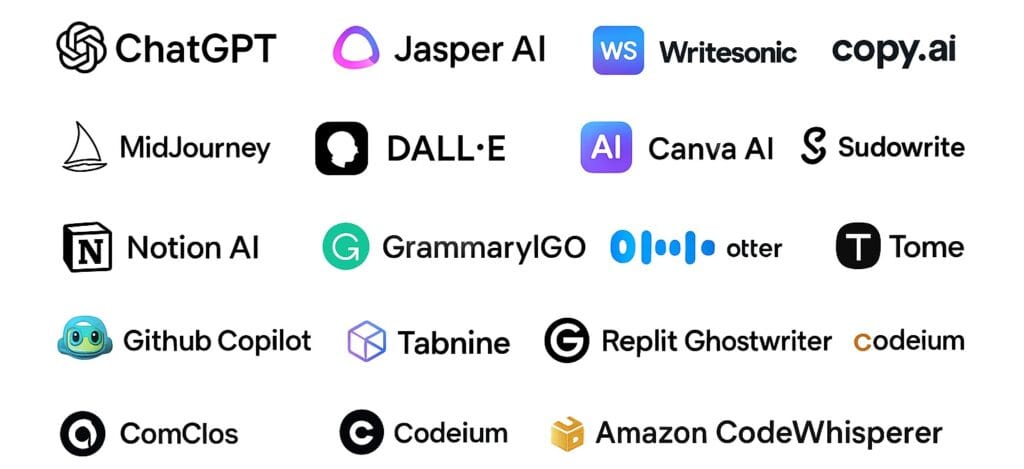
Techniques for Optimizing Your Website for AI Search Results
Optimizing your website for AI search results involves employing a variety of techniques designed to enhance visibility and relevance. Here, I outline several strategies that can be implemented to achieve this goal:
- Focus on Quality Content: Prioritize creating content that is informative, engaging, and tailored to your audience’s needs. High-quality content is more likely to be favored by AI algorithms that prioritize user satisfaction.
- Utilize Structured Data: Implement schema markup and structured data to help search engines understand your content’s context and purpose. This can improve your chances of appearing in rich snippets and other enhanced search results.
- Optimize for Voice Search: With the rise of voice-activated assistants, optimizing your content for voice search is increasingly important. Focus on using natural language and answering common voice search queries concisely.
- Enhance User Experience: Ensure your website is user-friendly, with fast loading speeds, mobile optimization, and easy navigation. A positive user experience can contribute to better ranking in AI-driven search results.
- Leverage Multimedia: Integrate images, videos, and other multimedia elements to enrich your content. AI algorithms often favor content that provides a diverse and engaging experience for users.
By implementing these techniques, we can improve our website’s visibility in AI search results and ensure our content reaches the right audience effectively.
How to Rank in AI Search Results: Best Practices
Ranking in AI search results requires a strategic approach that combines both traditional SEO elements and AI-focused strategies. Here are some best practices to consider:
- Understand User Behavior: Analyze user data to gain insights into their preferences and search patterns. This information can guide content creation and optimization efforts to better align with user intent.
- Prioritize Mobile Optimization: With the increasing use of mobile devices, ensuring your website is mobile-friendly is crucial. AI search engines prioritize mobile-optimized sites, so make sure your website offers a seamless experience across all devices.
- Incorporate Long-Tail Keywords: While keywords are still important, focus on long-tail keywords that reflect user intent more accurately. These keywords often result in higher conversion rates and better alignment with AI search algorithms.
- Engage with User-Generated Content: Encourage user engagement through comments, reviews, and social media interactions. User-generated content can enhance credibility and provide valuable insights into user preferences.
- Monitor and Adapt: Continuously monitor your website’s performance and adjust your strategies based on analytics and AI trends. Staying informed and adaptable is key to maintaining a competitive edge in AI search results.
Ranking in AI search results (often called Generative Engine Optimization or GEO) in 2026 requires a fundamental shift from optimizing for “clicks” to optimizing for “citations” and “inclusion” in AI-generated answers. Unlike traditional SEO, where the goal is the #1 blue link, the goal here is to be the source the AI trusts enough to quote.
Here is the actionable framework to rank in AI search results based on the latest 2026 data:
1. Master the “Answer-First” Content Structure
AI models prioritize content that is easy to parse and directly answers user intent without fluff.
- Front-Load the Answer: Place the direct answer to the specific question in the first 1–2 sentences of your content. Pages that get cited tend to use clear headings that mirror real questions and provide immediate answers [[31]].
- Use Question-Based Headers: Structure your H2 and H3 tags as natural language questions (e.g., “How do I fix X?”) to match the conversational queries users ask AI assistants [[31]].
- Optimize for Lists and Tables: AI engines love structured data. Present steps, comparisons, and data in bullet points, numbered lists, and tables, as these formats are easily extracted for AI overviews [[7]].
2. Build Topical Authority & Entity Density
AI models rank based on entities (people, brands, concepts) and topical depth rather than isolated keywords.
- Focus on Topics, Not Just Keywords: One of the biggest GEO trends for 2026 is targeting broader subjects (topics) rather than individual keywords to demonstrate comprehensive expertise [[16]].
- Strengthen Entity Signals: GEO focuses on entities—your brand, your people, your products—not just individual pages; you must strengthen these entity signals to increase visibility [[10]].
- Create Comprehensive Clusters: Cover topics with depth by creating interconnected content clusters that prove you are an authoritative source on the subject, beating individual pages with superficial coverage [[8]].
3. Leverage E-E-A-T and Trust Signals
Because AI hallucinations are a risk, models heavily weight Experience, Expertise, Authoritativeness, and Trustworthiness (E-E-A-T) when selecting sources.
- Showcase Real Experience: Share case studies, real examples, and personal insights to document actual experience, which is a critical requirement for AI citations [[29]].
- Verify Your Data: Include original statistics and data points; AI-cited content is on average 25.7% fresher than content in traditional organic results, so keeping data up-to-date is vital [[33]].
- Earn High-Quality Backlinks: Winning AI Overview citations in 2026 often relies on backlinks and E-E-A-T signals that raise the AI’s confidence in your content’s accuracy [[30]].
4. Optimize for Specific AI Platforms
Different AI engines have unique ranking behaviors and citation habits.
- Perplexity AI: This platform cites 4 to 16 sources per answer and runs real-time web searches, meaning it has the highest citation rate and favors fresh, authoritative sources [[38]].
- Google AI Overviews: Ranking here is essentially a “citation problem” earned through structure, trust, and specificity rather than keyword placement [[32]]. Aim for speed, as Google aims to retain an “instant” feel with load times between 0.3–0.6 seconds [[6]].
- ChatGPT Search: Focus on “quotable” statistics and definitive statements, as the model looks for concise summaries to synthesize into its response [[20]].
5. Technical Optimization for AI Crawlers
Ensure AI bots can actually read and ingest your content.
- Allow AI Bots: Explicitly allow trusted AI crawlers (like
GPTBot,CCBot,Google-Extended) in yourrobots.txtfile to prevent them from being blocked [[10]]. - Implement Structured Data: Use Schema.org markup (especially
FAQPage,Article, andProduct) to explicitly tell AI parsers what your content represents and how it relates to other entities [[7]]. - Consider
llms.txt: Adopt emerging standards like thellms.txtfile to provide a structured summary of your site specifically for Large Language Models to ingest efficiently.
6. Measure “Share of Voice” Instead of Just Rankings
Traditional rank tracking is insufficient for AI search.
- Track Citations: Implement monitoring systems that track when and how your content appears in AI-generated responses, not just where it ranks in a list [[21]].
- Monitor Brand Mentions: Success depends on treating AI as a branding channel and managing GEO separately from traditional SEO to adapt fast to changes in mention volume [[17]].
- Analyze Conversational Queries: Track long-tail, natural language queries that users are asking voice assistants and chatbots, and create content specifically targeting these phrases [[8]].
Summary Checklist for Ranking in AI Search (2026)
| Strategy | Key Action | Why It Matters |
|---|---|---|
| Content | Answer-First structure | AI extracts direct answers for summaries [[31]]. |
| Authority | Entity & Topic Depth | Models trust comprehensive topic coverage over single pages [[16]]. |
| Trust | E-E-A-T & Freshness | Cited content is significantly fresher and requires proof of experience [[33]]. |
| Technical | Schema & Bot Access | Structured data helps AI parse and quote your content accurately [[7]]. |
| Platform | Tailor to Engine | Perplexity loves real-time freshness; Google loves speed and trust [[38]]. |
By shifting your strategy to focus on clarity, authority, and structured data, you increase the probability that AI models will select your website as a primary source for their generated answers.
By following these best practices, we can increase our chances of ranking highly in AI search results and driving more organic traffic to our website.
Tools and Resources for AI Search Optimization
Leveraging the right tools and resources can significantly enhance our AI search optimization efforts. Here are some valuable tools to consider:
- Google Search Console: This essential tool provides insights into how Google perceives your website and offers suggestions for improving your search performance.
- SEMrush: A comprehensive SEO tool that offers keyword research, site audit, and competitive analysis features to help optimize your website for AI search results.
- Ahrefs: Known for its robust backlink analysis capabilities, Ahrefs can help you understand your website’s link profile and identify opportunities for improvement.
- Moz Pro: Offering a suite of SEO tools, Moz Pro provides keyword research, site audits, and rank tracking to aid in optimizing for AI search.
- AnswerThePublic: This tool generates a visual representation of search queries related to your keywords, helping you understand user intent and create relevant content.
By utilizing these tools, we can gain valuable insights, track performance, and refine our strategies to optimize our website for AI search results effectively.
Future Trends in AI Search and SEO
As AI technology continues to advance, it is essential to stay informed about future trends in AI search and SEO. Here are some emerging trends to watch:
- Increased Personalization: AI will continue to enhance personalization in search results, delivering content tailored to individual user preferences and behaviors.
- Voice Search Dominance: The growing popularity of voice-activated devices will lead to increased emphasis on optimizing content for voice search queries.
- Visual Search Evolution: AI-powered visual search capabilities will expand, allowing users to search using images and videos, necessitating optimization for visual content.
- Enhanced AI Algorithms: Search engines will develop more sophisticated AI algorithms, requiring continuous adaptation of optimization strategies to remain competitive.
- Integration of Augmented Reality (AR): AI and AR will converge, offering new opportunities for immersive and interactive content experiences in search results.
By staying ahead of these trends, we can ensure our website remains optimized for AI search and continues to perform well in an evolving digital landscape.
Common Mistakes to Avoid in AI Search Optimization
While optimizing for AI search, it is crucial to be aware of common mistakes that can hinder your efforts. Here are some pitfalls to avoid:
- Ignoring User Intent: Focusing solely on keywords without considering user intent can lead to irrelevant content and poor search performance.
- Neglecting Mobile Optimization: Failing to optimize for mobile devices can result in lower rankings, as AI search engines prioritize mobile-friendly websites.
- Overlooking Content Quality: Producing low-quality or duplicate content can negatively impact your website’s credibility and visibility in AI search results.
- Disregarding Structured Data: Not implementing structured data can limit your chances of appearing in rich snippets and other enhanced search features.
- Failing to Adapt: In a rapidly evolving digital environment, failing to monitor trends and adapt strategies can lead to missed opportunities and decreased visibility.
By avoiding these mistakes, we can improve our AI search optimization efforts and achieve better results.
Conclusion: Embracing AI for Better Search Performance
In conclusion, mastering AI search optimization is essential for enhancing our website’s visibility and performance in today’s digital age. By understanding how AI search engines work, focusing on user intent, and implementing effective optimization strategies, we can ensure our content reaches the right audience and drives meaningful engagement.
As AI technology continues to evolve, staying informed about emerging trends and adapting our strategies accordingly will be crucial for maintaining a competitive edge. By leveraging the right tools and avoiding common pitfalls, we can optimize our website for AI search results and achieve lasting success.
To stay ahead in this ever-changing landscape, I invite you to explore the tools and resources mentioned in this article and begin implementing AI-focused strategies today. Let’s embrace the power of AI to enhance our search performance and achieve our digital marketing goals.


