Introduction to SEO Marketing Strategy
In the digital age, establishing a robust online presence is crucial for businesses aiming to thrive in a competitive market. One pivotal approach to achieving this is through an effective SEO marketing strategy. SEO, or Search Engine Optimization, refers to the process of enhancing a website’s visibility on search engines like Google. By optimizing your site, you can attract more organic traffic, thereby increasing the potential for conversions and business growth.
An effective SEO marketing strategy involves a blend of techniques and practices designed to improve your online visibility. This includes optimizing web content, engaging in keyword research, and focusing on both technical and on-page SEO elements. As we delve into this guide, we’ll explore each of these components in detail, equipping you with the knowledge to master your own SEO strategy.
Creating an SEO strategy is not a one-size-fits-all approach; it requires a tailored plan that aligns with your business goals and target audience. In the following sections, we’ll break down the critical elements of an SEO marketing strategy, guiding you through the steps to create a plan that maximizes your online visibility.
Importance of an Effective SEO Marketing Strategy
Understanding the importance of an effective SEO marketing strategy is fundamental for any business seeking online success. At its core, SEO is about making your website more attractive to search engines, which, in turn, makes it more visible to your target audience. This increased visibility can lead to higher traffic volumes, better engagement rates, and ultimately, more conversions.
Beyond traffic, a well-crafted SEO strategy enhances user experience by ensuring that your website is easy to navigate and provides valuable content. When users find your site helpful and relevant, they are more likely to stay longer, reducing bounce rates and increasing the likelihood of conversions. This positive user interaction signals to search engines that your website is a credible source, further improving your rankings.
Moreover, an effective SEO strategy builds brand credibility and trust. When your website consistently appears at the top of search engine results pages (SERPs), users perceive your brand as an authority in your industry. This perception can significantly influence consumer decisions, leading to increased brand loyalty and customer retention.
Key Components of an SEO Marketing Strategy
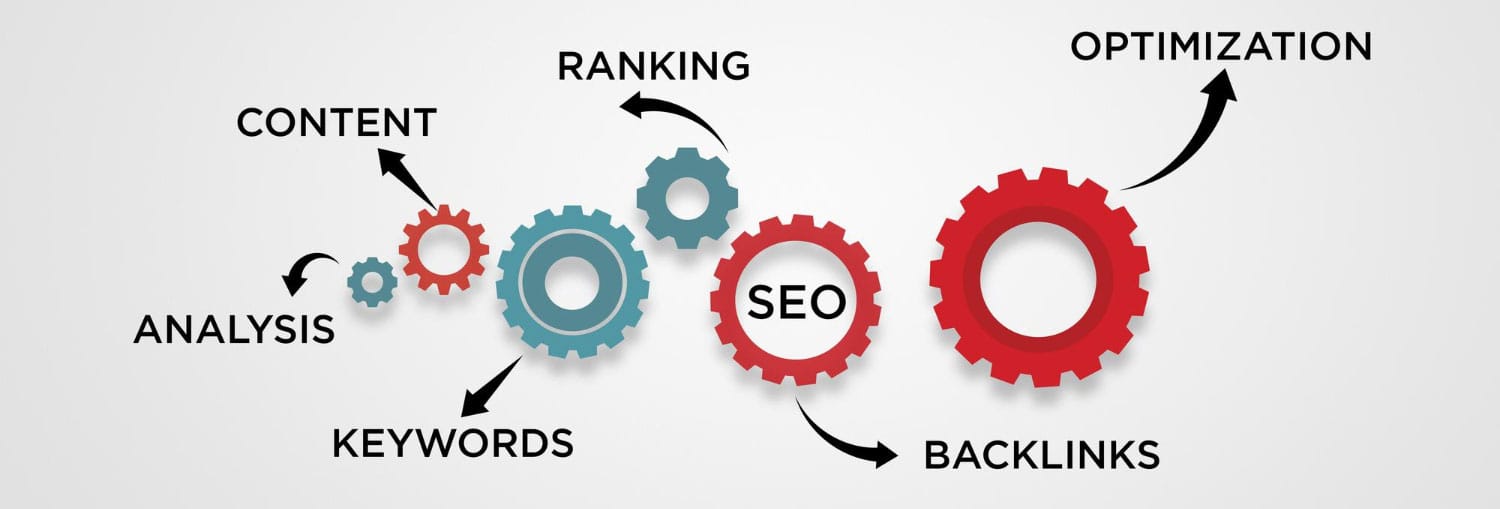
An SEO marketing strategy comprises several key components, each playing a vital role in enhancing your website’s visibility. The first component is Keyword Research, which involves identifying the search terms your target audience uses. These keywords guide the creation of content that aligns with user queries, boosting your site’s relevance and search engine ranking.
On-Page SEO includes optimizing individual web pages to improve rankings and earn more relevant traffic. This involves optimizing meta tags, headings, and images, as well as ensuring content is high-quality and provides value to the reader. On-page SEO is crucial for helping search engines understand the context of your content.
Technical SEO focuses on the backend of your website, including site speed, mobile-friendliness, and secure connections (HTTPS). A technically sound website ensures search engines can crawl and index your site effectively, leading to better rankings. Additionally, Off-Page SEO, such as link building and social media engagement, plays a significant role in establishing your site’s authority and trustworthiness.
How to Create an Effective SEO Marketing Strategy
Creating an effective SEO marketing strategy involves a series of steps designed to optimize your website for search engines. Here’s a step-by-step guide to help you get started:
- Define Your Goals: Begin by identifying what you want to achieve with your SEO efforts. Whether it’s increasing website traffic, boosting brand awareness, or generating leads, having clear goals will guide your strategy.
- Conduct Keyword Research: Use tools like Google Keyword Planner or SEMrush to discover the keywords your target audience is using. Focus on a mix of short-tail and long-tail keywords to capture various search intents.
- Optimize Your Website: Implement on-page SEO techniques by optimizing meta tags, headings, and images. Ensure your content is informative and aligns with user intent. Don’t forget technical SEO aspects like improving site speed and ensuring mobile compatibility.
- Create High-Quality Content: Content is king in SEO. Develop engaging, informative, and original content that addresses your audience’s needs and answers their questions.
- Build Backlinks: Establish your website’s authority by acquiring backlinks from reputable sources. Engage in guest blogging and collaborate with influencers to enhance your site’s credibility.
- Monitor and Adjust: Regularly analyze your SEO efforts using tools like Google Analytics. Track your progress and make necessary adjustments to your strategy for continuous improvement.
By following these steps, you can create an SEO strategy that is both effective and sustainable, leading to long-term online success.
The Role of Keyword Research in SEO
Keyword research is the cornerstone of any successful SEO strategy. It involves identifying and analyzing the search terms that potential customers use when looking for products or services like yours. By understanding these keywords, you can tailor your content to meet user intent, thereby improving your site’s relevance and ranking.
The process begins with brainstorming potential keywords related to your business. Utilize keyword research tools to expand this list and discover additional keywords that may have been overlooked. Focus on a mix of short-tail keywords (e.g., “SEO strategy”) and long-tail keywords (e.g., “how to create an effective SEO marketing strategy”) to capture a broad range of search queries.
Once you have a comprehensive list, analyze the competition and search volume for each keyword. Prioritize keywords that have a high search volume but low competition, as these offer the best chance for ranking. Integrating these keywords naturally into your content ensures it aligns with user queries, enhancing your site’s visibility.
Local SEO Marketing Strategy: Targeting Your Audience
Local SEO is a crucial aspect of your overall strategy, especially for businesses aiming to attract customers within a specific geographical area. It involves optimizing your online presence to rank higher in local search results, making it easier for local customers to find you.
To develop a local SEO marketing strategy, start by claiming and optimizing your Google My Business listing. Ensure your business information is accurate and consistent across all online platforms. Encourage satisfied customers to leave positive reviews, as these can significantly impact your local search rankings.
Another key element is local keyword optimization. Include location-specific keywords in your content, meta tags, and URLs. For instance, if you are targeting customers in Mumbai, integrate phrases like “Local SEO Marketing Strategy Mumbai” to attract the right audience. Additionally, engage in local link building by collaborating with local businesses and participating in community events.
SEO Marketing Strategy in India: Trends and Best Practices
India presents a unique landscape for SEO marketing, with diverse consumer behavior and a rapidly growing digital market. To succeed in this environment, it’s essential to stay updated on the latest trends and best practices tailored to the Indian audience.
One notable trend is the increasing use of mobile devices for online searches. As a result, optimizing your website for mobile users is crucial. Ensure your site is responsive and loads quickly on mobile devices to provide a seamless user experience. Additionally, focus on voice search optimization, as Indian consumers increasingly use voice assistants for queries.
Another best practice is to create content in local languages to reach a broader audience. While English is widely spoken, many users prefer consuming content in their native language. By offering multilingual content, you can tap into this vast market and improve engagement rates.
Maxsdigit SEO Strategy for Businesses: A Case Study
To illustrate the effectiveness of a well-executed SEO strategy, let’s examine a case study of Maxsdigit, a business that successfully enhanced its online visibility. Maxsdigit implemented a comprehensive SEO strategy that included keyword research, on-page optimization, and content development.
Initially, Maxsdigit conducted thorough keyword research to identify relevant terms that potential customers were searching for. They focused on a mix of high-volume and long-tail keywords to capture various search intents. This research informed their content strategy, leading to the creation of informative blog posts and engaging web pages.
On-page optimization was another critical component of their strategy. Maxsdigit optimized meta tags, headings, and images to ensure their site was easily navigable for search engines. Additionally, they focused on building high-quality backlinks from reputable sources, which boosted their site’s authority and trustworthiness.
Tools and Resources for Developing Your SEO Strategy
Developing a successful SEO strategy requires the right set of tools and resources. These tools assist in keyword research, content optimization, and performance tracking, ensuring your strategy is on the right track.
Essential Tools for SEO:
- Google Analytics: Provides insights into website traffic and user behavior, allowing you to measure the effectiveness of your SEO efforts.
- SEMrush: A comprehensive tool for keyword research, competitor analysis, and site audits, helping you identify areas for improvement.
- Moz: Offers a suite of tools for keyword research, link building, and site optimization to enhance your SEO strategy.
- Ahrefs: Known for its backlink analysis capabilities, Ahrefs helps you build a strong link profile to improve your site’s authority.
Additional Resources:
- Online Courses: Platforms like Coursera and Udemy offer courses on SEO fundamentals and advanced techniques.
- Blogs and Forums: Stay updated with the latest SEO trends and best practices by following industry blogs and participating in SEO forums.
- Books: Enhance your knowledge with books like “The Art of SEO” by Eric Enge and “SEO 2023” by Adam Clarke.
By leveraging these tools and resources, you can develop a robust SEO strategy that enhances your online visibility and drives business growth.
Measuring Success: Analyzing Your SEO Marketing Efforts
Measuring the success of your SEO marketing efforts is crucial for understanding the impact of your strategy and identifying areas for improvement. By analyzing key metrics, you can make informed decisions to optimize your SEO initiatives.
Traffic and Engagement Metrics: Monitor website traffic to see how many visitors your site attracts. Use Google Analytics to track metrics like bounce rate, session duration, and pages per session, which indicate user engagement and content relevance.
Keyword Rankings: Regularly check your keyword rankings to assess how well your site is performing in search engine results. A rise in rankings signifies successful optimization, while a decline may indicate the need for adjustments.
Conversion Rates: Ultimately, the goal of SEO is to convert visitors into customers. Track conversion rates to measure how effectively your site is turning traffic into leads or sales. Use tools like Google Tag Manager to set up conversion tracking and gain insights into user behavior.
By consistently analyzing these metrics, you can refine your SEO strategy, improve your online visibility, and achieve your business objectives.
Conclusion: Elevating Your Online Visibility through SEO
In conclusion, mastering the art of creating an effective SEO marketing strategy is essential for businesses looking to enhance their online visibility. By understanding the components of a successful strategy and implementing best practices, you can attract more organic traffic and achieve your business goals.
Remember, SEO is an ongoing process that requires regular monitoring and adjustments. Stay informed about the latest trends and tools, and be ready to adapt your strategy to stay ahead of the competition. With dedication and the right approach, you can elevate your online presence and drive sustainable business growth.
Explore Our SEO Services
Are you ready to take your online visibility to the next level? Contact us today to learn more about our professional SEO services and how we can help you achieve your digital marketing goals. Let us partner with you on your journey to online success!


